
Sure, unearned revenue is considered a legal responsibility on a company’s balance sheet. It represents money received from customers for goods or companies that haven’t but been delivered or carried out. As such, it constitutes an obligation for the company to provide these items or companies in the future.
Businesses handling giant volumes of unearned revenue want environment friendly monitoring and recognition methods. Ramp automates transaction categorization and mapping, guaranteeing that unearned revenue is recorded precisely and transferred to earned revenue on the right time. With integrations to ERPs like QuickBooks and NetSuite, firms can eliminate manual adjustments and cut back the danger of monetary misstatements. Failing to record unearned revenue accurately can lead to misstated earnings, compliance issues, and regulatory fines. Public companies must follow GAAP (Generally Accepted Accounting Principles) or IFRS (International Monetary unearned revenue Reporting Standards) to make sure accurate income recognition.
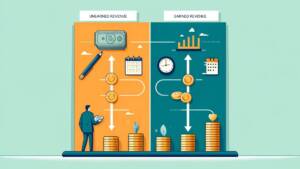
How Does Unearned Income Reflect In A Company’s Steadiness Sheet?
Unearned income will be found on a business’s stability sheet, or statement of monetary position, categorized as a long-term legal responsibility. Unearned revenue or deferred income is taken into account a liability in a enterprise, as it is a debt owed to clients. It is assessed as a current liability till the goods or providers have been delivered to the customer, then it must be converted into income.

A service retainer is paid as part of a service agreement, by which your corporation agrees to supply a specific level of service at a negotiated fee. Depending on the settlement, your payment could also be paid in advance, making it unearned income until you ship your services for the interval. Recording and accounting for unearned income could be barely extra difficult than other forms of transactions. This type of income is accounted for twice – when it is paid, and when the service or product is delivered. Deferred revenue (aka unearned revenue) will get recorded on a company’s balance sheet as a legal responsibility.
Public corporations must additionally comply with GAAP (Generally Accepted Accounting Principles) in the U.S. or IFRS (International Monetary Reporting Standards) internationally. These guidelines require companies to defer unearned revenue and acknowledge it over time based on contract phrases. For instance, after three months, the company would have acknowledged $3,000 in income and nonetheless maintain $9,000 in unearned income. These changes guarantee financial statements accurately represent the company’s income and obligations.
In the context of unearned income, recording revenue prematurely violates this principle. Therefore, accountants document unearned revenue as a legal responsibility and solely recognize it as earned revenue as quickly as the company delivers the goods or companies as agreed. Unearned income is common in industries similar to software program, publishing, and hospitality.

Is Unearned Revenue A Credit Or Debt?
If you don’t ship the agreed-upon good or service, or your customer is sad with the end product, your deferred revenues might be at risk. Generally speaking, you have to be extra careful spending cash from deferred revenues than regular cash. Income is the money an organization earns from the sale of its services and products.
Unearned revenue is recorded each time a buyer pays for a service or product before they receive it. Your enterprise receives the money upfront, and then does the work to earn it at a later date. It is assessed as a current legal responsibility till the products or services have been delivered to the customer, after which it should be converted into income. Unearned revenue refers again to the cash small companies acquire from prospects for a or service that has not but been offered. In simple phrases, unearned income is the pay as you go income from a customer to a business for goods or companies that will be supplied sooner or later. Poor unearned income management can lead to monetary misstatements, tax penalties, and compliance risks.
There are several industries the place https://www.quickbooks-payroll.org/ prepaid income normally happens, similar to subscription-based software program, retainer agreements, airline tickets, and prepaid insurance. Unearned income is recorded on the time of payment after which adjusted over time. For long-term contracts, businesses recognize portions of revenue periodically, ensuring that monetary statements mirror actual earnings. Subscription-based businesses, service suppliers, and companies dealing with pre-orders replace their unearned revenue accounts monthly, quarterly, or as obligations are met. Businesses document it as a current legal responsibility on the company’s stability sheet because it represents cash received for companies or merchandise not but delivered. Once the corporate fulfills its obligation, it strikes the amount from unearned income (liability) to earned income (income statement).
- Some sources of unearned earnings are taxed as odd earnings, whereas others enjoy more beneficiant tax charges.
- These transactions create a liability on the company’s steadiness sheet till the income is earned by delivering the promised items or companies.
- Cautious administration of unearned revenue is important for accurate financial reporting, cash circulate management, and assembly buyer obligations.
- As you possibly can see, the unearned income will appear on the right-hand aspect of the steadiness sheet in the current liabilities column.
It’s a legal responsibility as a end result of it’s a debt that is still owed to the customer through the supply of goods and companies. The unearned revenue idea is widespread in industries where funds are received prematurely. Some widespread examples of unearned revenue are service contracts like housekeeping, insurance contracts, rent agreements, equipment companies like fridge repair, tickets sold for occasions, etc. The rationale behind this is that despite the company receiving fee from a buyer, it still owes the supply of a services or products.